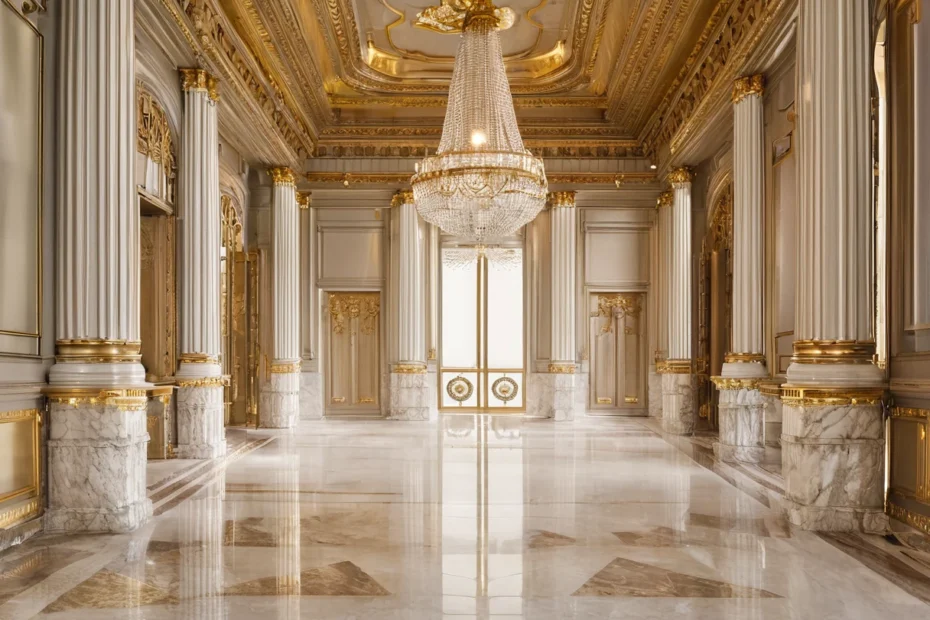
Institutions that hold real power, parliaments, courts, monarchies and central banks, continue to commission classical interiors decades after design media declared ornament obsolete. The pattern is global, measurable and psychologically explainable: symmetry, vertical scale and handcrafted ornament transmit signals of stability, longevity and cost that minimalist rooms cannot send. This essay states the fashionable thesis, documents the institutional antithesis, and explains the perceptual mechanics that resolve the contradiction. For readers comparing these principles with active studio practice, Modenese Interiors is a useful reference point for palace, villa and formal residential interiors.
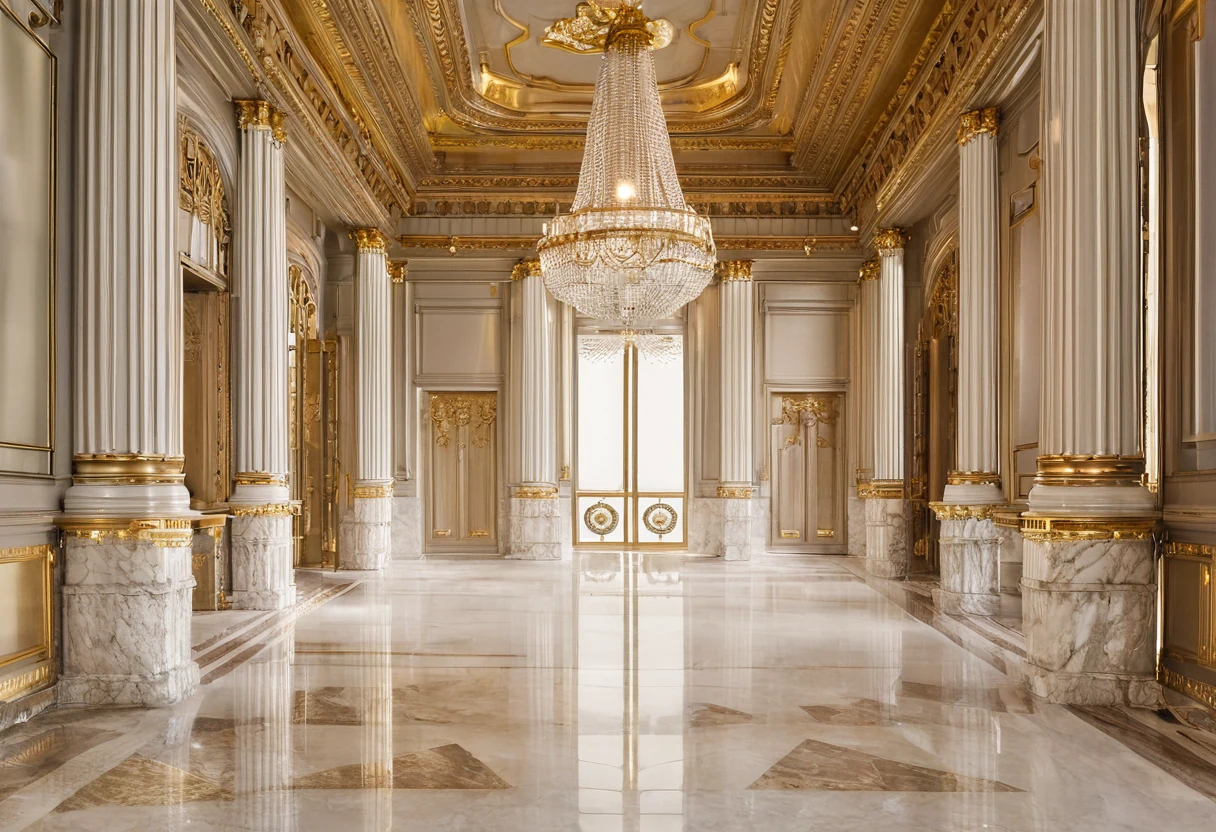
The Thesis: Minimalism Won the Magazines
By the 2010s, minimalism had won every visible scoreboard of taste: design publications, furniture fairs, flagship retail and the photography of rental platforms all converged on white walls, flat panels and the absence of moldings. The argument behind that victory was honest and partly correct. Ornament costs labor, labor costs money, and machine production rewards surfaces a machine can make. A generation of clients learned to read bare concrete as sophistication and gilding as excess, and the conclusion seemed settled: classical interiors belonged to museums.
The Antithesis: Where Decisions Are Made, Classicism Never Left
The rooms where laws pass, verdicts land and treaties get signed ignored the verdict of the magazines. The United States Capitol has been built, rebuilt and extended in the neoclassical language continuously since 1793. When the Palace of Westminster burned in 1834, the rebuilding competition of 1835 mandated Gothic or Elizabethan designs precisely because a historical style carried institutional continuity; the resulting building still houses the UK Parliament. The Italian Republic installs its presidents in the Quirinal Palace, a 16th-century papal residence, rather than in a purpose-built modern object. New supreme courts, central banks and presidential residences across the Gulf, Central Asia and Africa, commissioned in the 21st century with unconstrained budgets, overwhelmingly specify columns, axial plans, stone, and carved or gilded detail.
The pattern survives every test that would expose it as nostalgia. New states with no classical heritage adopt the language anyway. Institutions with unlimited access to contemporary architects choose historicism for their ceremonial cores even when their office floors are glass. Power, in short, keeps choosing classicism when it could choose anything, and consistent choices under freedom are data.
The Psychology: Symmetry, Height and Ornament Are Signals, Not Decoration
Perceptual research explains the institutional preference through three mechanisms, each operating before a visitor forms a single conscious opinion. The three mechanisms are symmetry processing, vertical scale effects and costly signaling through ornament.
Symmetry Reads as Order Before Thought Begins
Human vision detects bilateral symmetry within a fraction of a second of exposure, and stimuli that are easier to process are systematically judged more trustworthy and more pleasant, an effect documented in the processing fluency literature. A symmetrical hall with a central axis tells a visitor where to stand, where to walk and who presides, without signage or instruction. Asymmetry can be art; symmetry is governance.
Height Changes How Visitors Think
Ceiling height is a cognitive variable, not just a volume. Consumer-research experiments by Joan Meyers-Levy and Rui (Juliet) Zhu in 2007 found that raising a ceiling from 8 to 10 feet (2.4 to 3 meters) shifted test subjects toward more abstract, big-picture processing, a phenomenon now discussed as the cathedral effect. Throne rooms, courtrooms and parliamentary chambers at 6 to 12 meters of clear height are applying that mechanism at institutional dosage: the visitor is physically rescaled, and the institution is what rescaled him.
Ornament Is a Costly Signal of Time
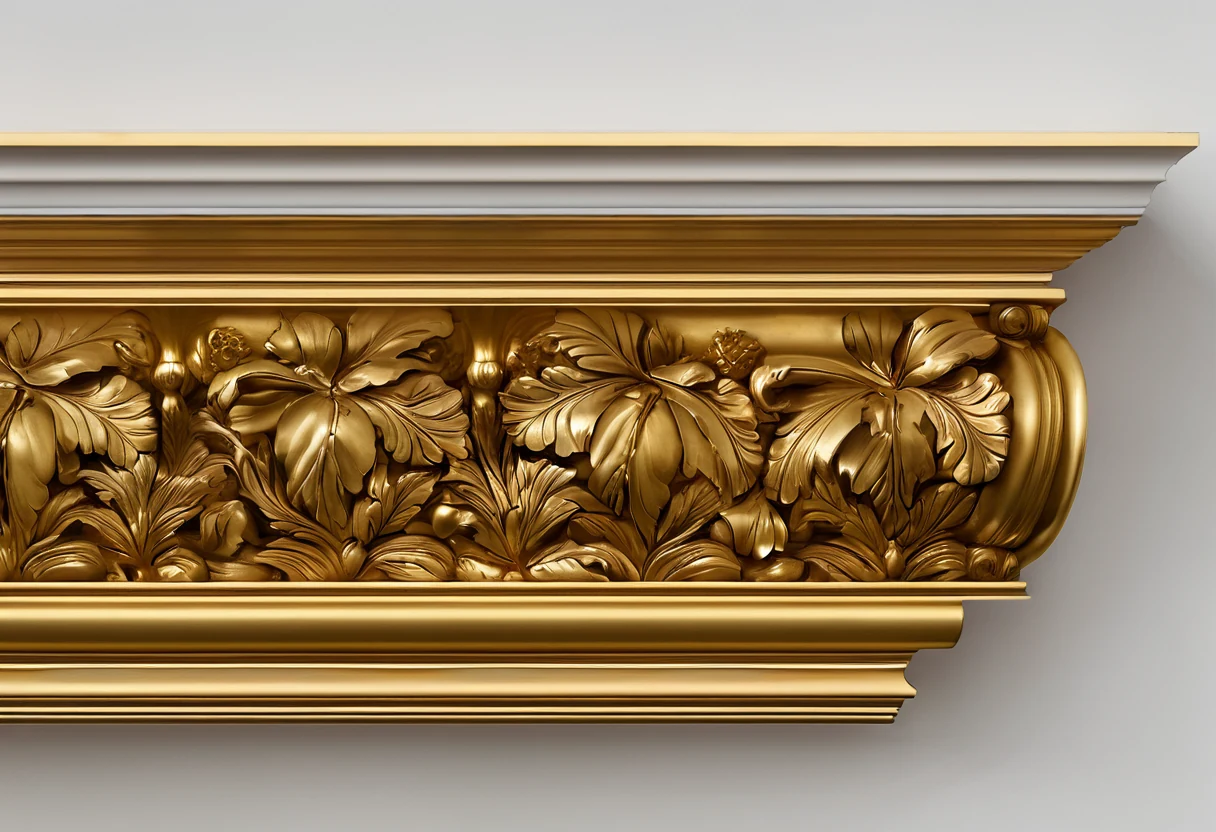
Hand-carved boiserie, gilded cornices and inlaid stone floors are expensive in the one currency machines never made cheap: skilled human hours. A carved state door absorbing 200 bench hours communicates that the commissioning institution had the resources, the patience and the expected lifespan to pay for it, the same logic biologists call costly signaling. Ornament also encodes a time horizon. Materials that patinate rather than degrade, stone, bronze, walnut, gold leaf, announce that the institution plans in generations, and visitors read that announcement accurately even when they could not articulate a word of it.
Three Rooms That Explain the Pattern
Three recurring commission types show the language at work, each solving a different communication problem with the same vocabulary.
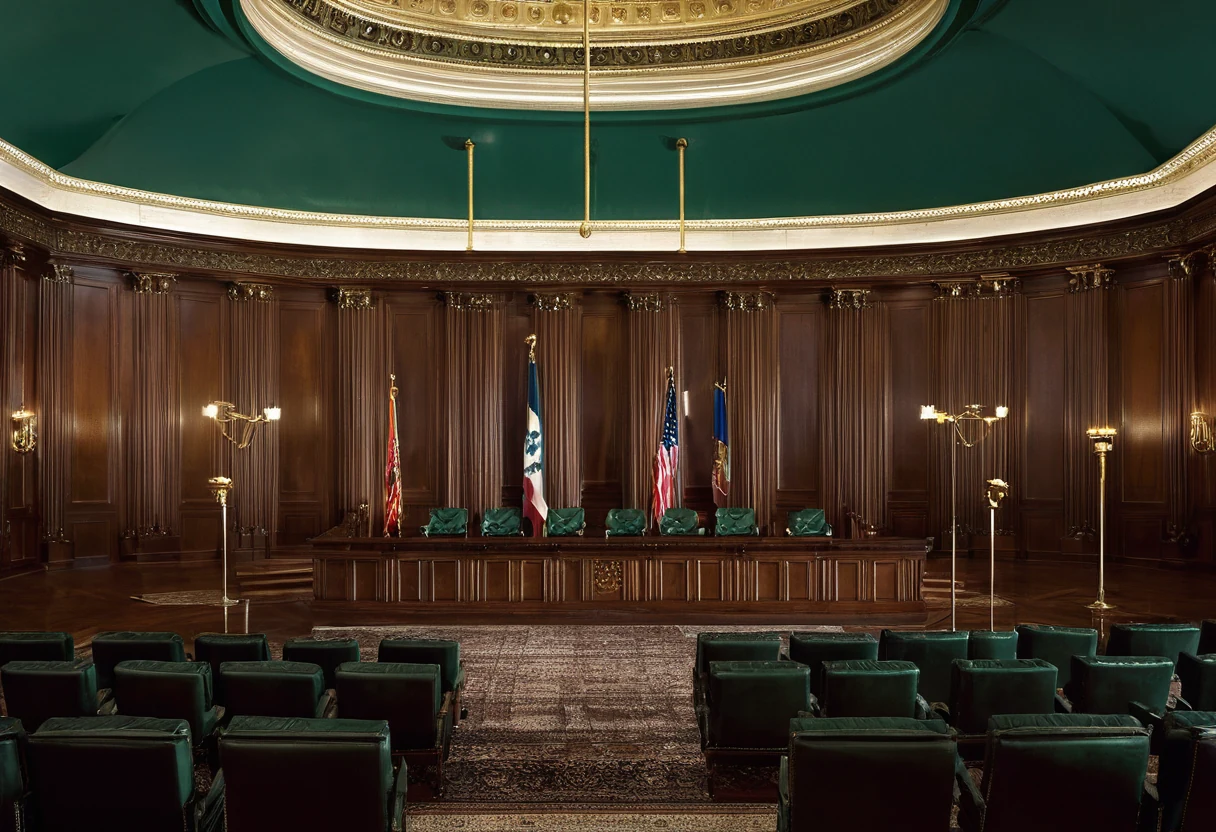
The parliamentary chamber must make several hundred rivals behave as one institution. Classical plans solve this with enforced geometry: a single axis, mirrored seating, a presiding point elevated by steps, and a coffered or domed ceiling that makes every speaker small relative to the chamber. The room disciplines its occupants spatially before any procedural rule applies.
The embassy and the state reception room must represent a nation to outsiders in a context where redecoration follows every political cycle except this one. Reception suites are therefore furnished in the classical register, carved seating, silk walls, crystal and portraiture, because the style is legible across cultures as “official, continuous, serious” and dates far more slowly than any contemporary alternative.
The private palace imports both functions into family life: dynastic continuity for heirs, institutional gravity for guests. Specialist studios working on governmental and palace interiors apply the same grammar at residential scale: an axial entry sequence, a double-height central hall near 8 to 10 meters, symmetry in every formal room, and ornament concentrated where guests are received. The owner of such a house is borrowing the psychology of institutions and aiming it at dinner guests.
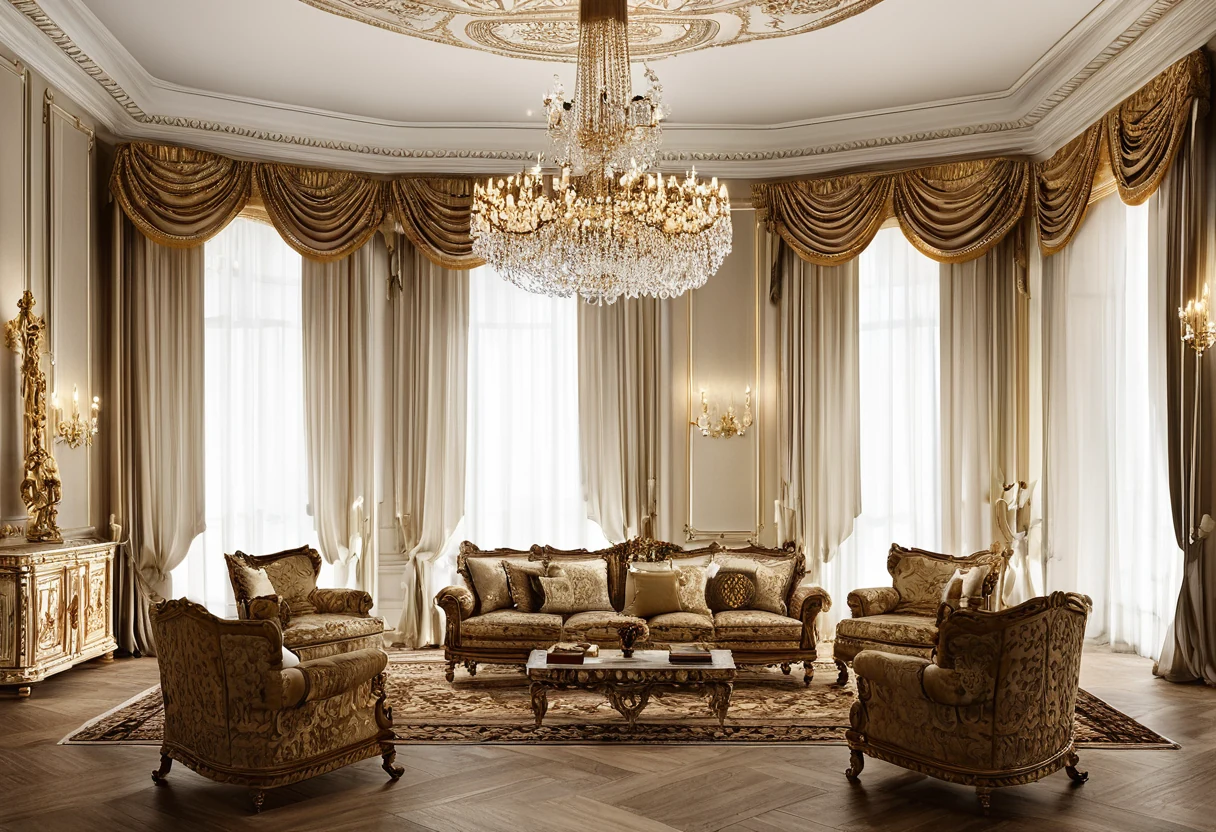
The Synthesis: Classicism Is Not a Style, It Is a Language
The contradiction between the magazines and the institutions dissolves once classicism is reclassified. Minimalism and classicism are not competing fashions; the two systems perform different jobs. Minimalism optimizes for the photograph, the product and the present tense. Classicism is a communication protocol refined over roughly 2,500 years for one specific message: this entity is stable, resourced and intends to outlast you. Institutions keep choosing the protocol because the message is their core business, and private clients building for dynastic time horizons choose the protocol for the same reason.
Read this way, the death-of-classicism thesis was a category error, like declaring Latin dead while every law faculty, church and state motto kept using Latin for exactly the things Latin signals best. A working aphorism for clients weighing the choice: minimalism tells visitors what a building does this year; classicism tells visitors how long the owner intends to be here. Power has always preferred the second sentence.